

Feb. 17 2026

In Toronto, The Reading Partnership, headed by Founder and Executive Director Camesha Cox, designed its Reading Partnership for Parents program to provide caregivers with tools and a supportive environment to teach their children to read. Together with its affinity program, Reading Partnership for Black Parents, these initiatives respond to the need for inclusive and culturally reflective spaces that centre the learning success of Black children and families.
In collaboration with the Canadian Children’s Literacy Foundation and Black Health Alliance, The Reading Partnership also created the report Teaching Our Children to Read: Understanding the Reading Journey of Black Children in Canada, which brings together national research and lived experience to better understand how literacy supports can be designed to work more effectively for Black children and their caregivers.
This study is the first of its kind in Canada to focus specifically on the experiences of Black families in the education system. It responds to a long-standing gap in how literacy data has been collected and how programs have been designed. While literacy is widely recognized as foundational to education and economic participation, the specific experiences of Black children have not always been visible in research or reflected in practice. This report helps address that by centring family voices and community knowledge. For many Black families, literacy is more than an academic outcome. Reading shapes confidence, identity, and future opportunity, but systemic injustice, delayed interventions, and under-resourced schools are barriers to success.
Parents and caregivers described the time, care, and creativity they invest in supporting their children’s reading at home. They spoke about the importance of having access to clear information, evidence-based approaches, and relationships they could trust. Many emphasized that literacy support is most effective when it reflects children’s identities and lived realities.
The connection between literacy and identity is reflected in the work of Onome Ako, a Black mother, author of I Am Cherished, and humanitarian leader. When Onome could not find books where her daughter could see herself and her family reflected, she wrote one. Her children’s book features a Nigerian mother, an Indigenous father, and an intergenerational household that mirrors her own life. The illustrations intentionally show leadership, care, and confidence in ways that broaden how children understand who they can be. Onome’s work demonstrates how literacy can strengthen reading skills while also affirming identity. It mirrors what families in this report consistently asked for: learning environments where children are seen, respected, and supported.
Read more about Onome and her work.
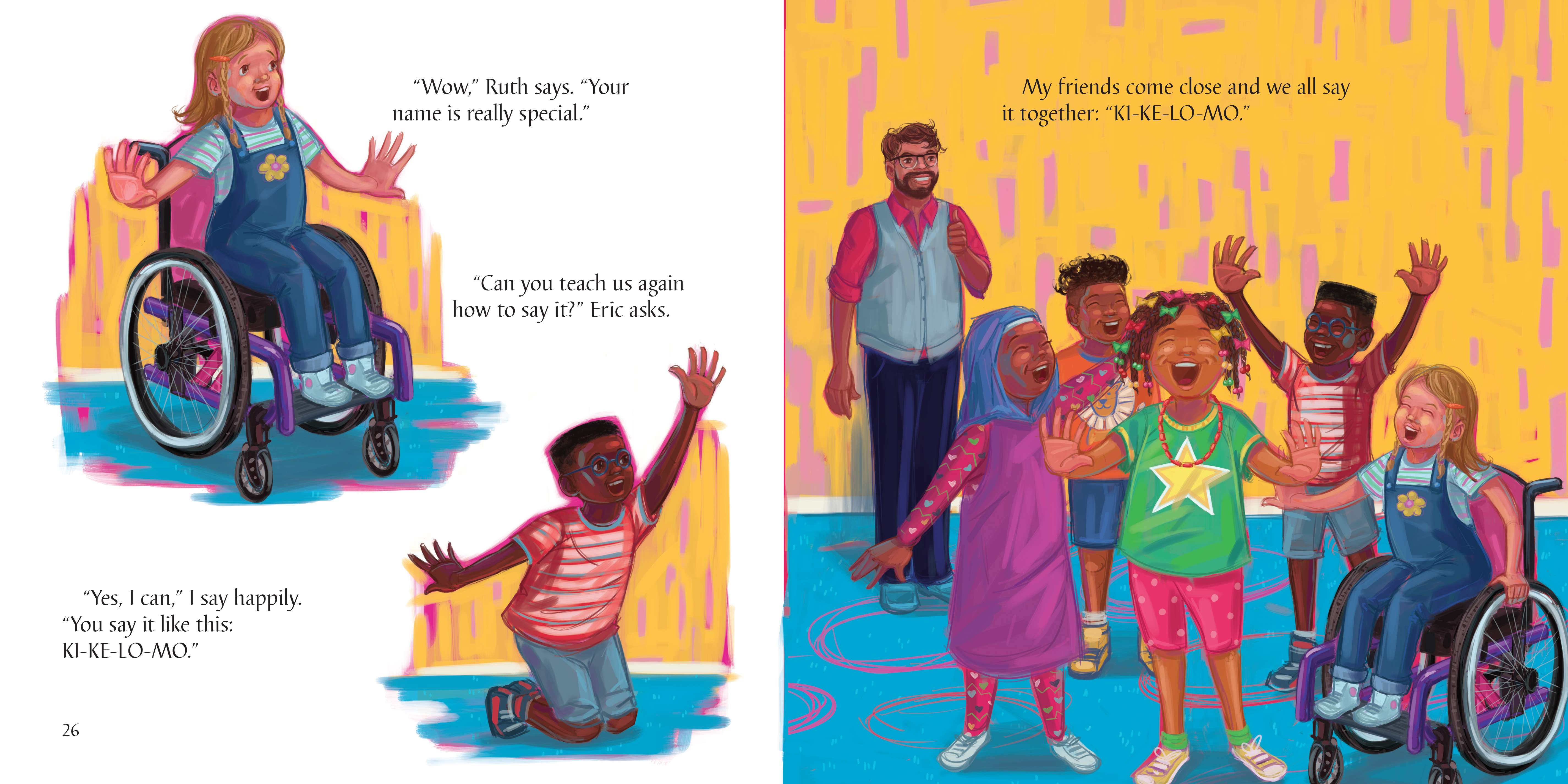 This image is from Onome’s book I Am Cherished.
The report describes three interconnected factors that shape literacy outcomes: systemic, institutional, and sociocultural. Families experience these layers together, which is why solutions must be coordinated. Rather than positioning these layers as fixed barriers, the research highlights opportunities for alignment. When schools, community organizations, and families work toward shared goals, literacy support becomes more representative and effective.
Community-based literacy organizations emerged throughout the report as essential partners. Families consistently pointed to local organizations where learning feels accessible and culturally responsive. These organizations help caregivers build confidence as their children’s first teachers and often serve as bridges between families and schools. The growth of programs like Reading Partnership for Parents and Reading Partnership for Black Parents demonstrates both demand and impact, offering models that can be strengthened and adapted across regions.
The report outlines four practical actions that can support stronger literacy outcomes:
Sustained funding for targeted tutoring ensures children receive timely help when gaps begin to appear.
Consistent early years programming helps families access quality literacy experiences regardless of where they live.
Dedicated, paid time for teachers to engage with parents strengthens relationships and shared understanding.
Responsible collection and sharing of data allow communities and decision makers to align resources with demonstrated needs while maintaining privacy and trust.
Encouragingly, the report also points to positive developments already underway. Many school boards are expanding efforts to engage Black parents, diversify teaching staff, and review policies through an equity lens. These efforts reflect a growing recognition that education systems improve when they learn alongside the communities they serve. Continued collaboration helps ensure these changes remain grounded and durable.
The most effective interventions occur in kindergarten and Grade 1. With a shared vision of equitable literacy for children across Canada, both The Reading Partnership and United for Literacy offer free programs that provide the targeted, high-impact learning that can bridge the gap between potential and success.
Families described success in clear, practical terms:
A child who reads with confidence and curiosity
A caregiver who feels informed and supported rather than overwhelmed
Learning materials that reflect children’s lives and expand their sense of possibility
Schools and community organizations working together with shared expectations and clear communication.
Canada has strong foundations to build on. The research, community expertise, and program models already exist. Teaching Our Children to Read offers a clear direction for strengthening literacy supports for Black children by listening closely to families and acting on evidence. Progress depends on coordination, sustained investment, and a shared commitment to ensuring that literacy initiatives reflect the children and families they are meant to serve.