top banner

Conversation About Representation and Identity with Onome Ako

Jan. 01 0001

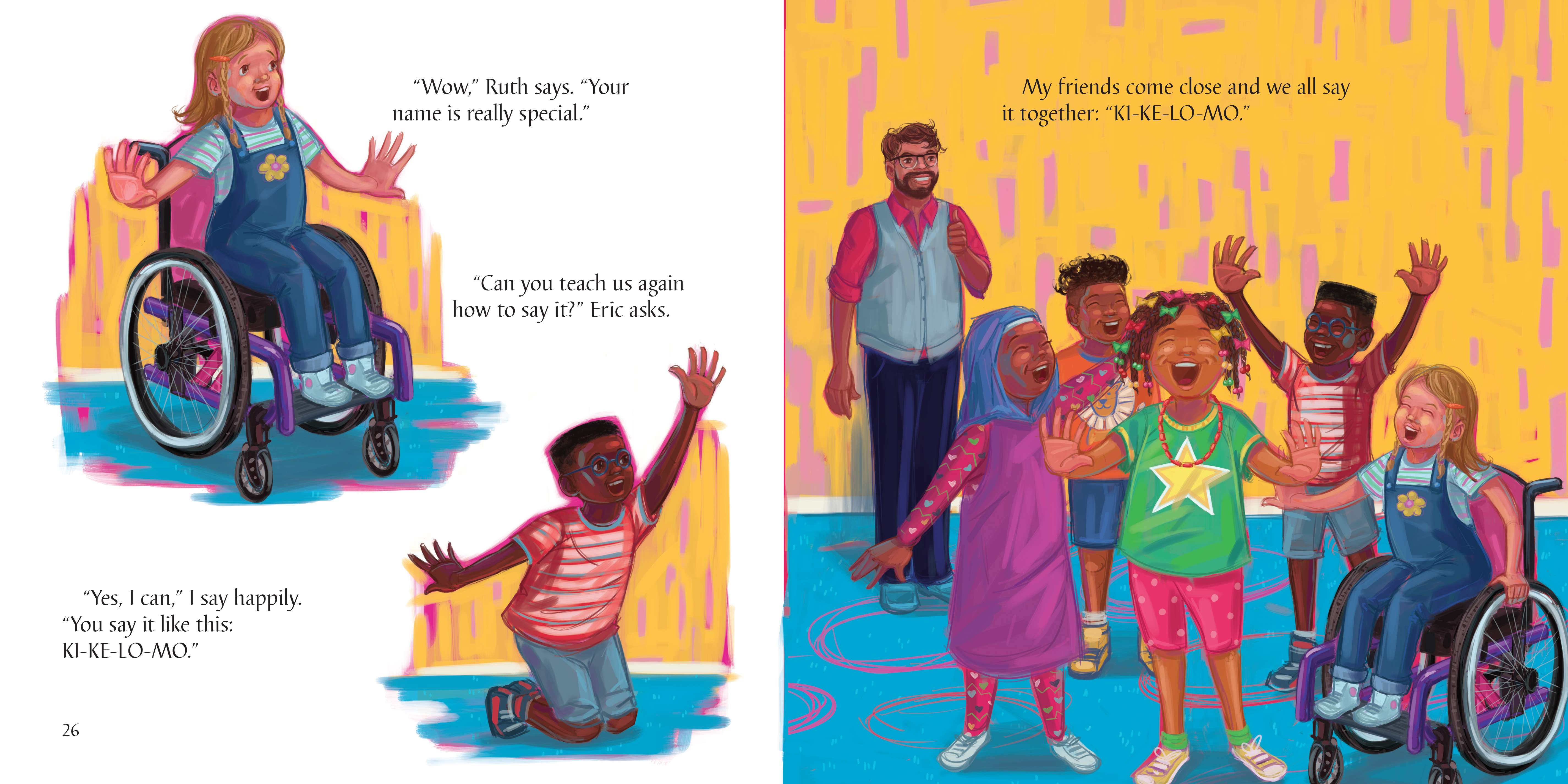
Onome Ako is an author, mother, and CEO of Action Against Hunger – Canada. She sits on the board of directors for The Canadian Partnership for Women and Children’s Health (CanWaCH) and is a mentor of the Pierre Elliot Trudeau Foundation. She is the author of I Am Cherished, a children’s book about the value of names and identity.
Questions and answers with Onome Ako

I am the CEO of a global humanitarian organization, an author, and a mother to a nine-year-old daughter. Those three roles are deeply connected for me. Being a leader, being a writer, and being a parent all shape how I see the world and how I talk about issues like literacy, identity, and belonging. I often move between those perspectives naturally because they are not separate in my lived experience. 

It really started when I had my daughter. I noticed very quickly that there were very few books where she could see herself or where I could see myself. I grew up in Nigeria reading books from the UK: fairy tales that did not reflect how we looked or lived. When I became a parent, I wanted my daughter to see her family, her culture, and herself reflected in the stories she read.

Names carry history, meaning, and the hopes parents have for their children. I have seen friends who immigrated to Canada feel pressured to change their names because they sounded unfamiliar. Some even gave their children Anglo names to avoid bullying. My daughter has a Nigerian name and attends a French school, so pronunciation came up often. Beyond that, I wanted her to value her name and understand that it is part of her identity, not something to minimize or hide.

Children’s books are where perceptions begin to shift. That is where stereotypes can be challenged early. It is also where ideas of success start to form. 

I hope children feel affirmed. I hope families feel seen. And I hope it sparks conversations about identity, belonging, and pride in who we are. Stories have the power to shape how we see ourselves and each other, and that is where meaningful change often begins.

I worked closely with the illustrator, Ken Daley, and he did an incredible job. I wanted the mother in the book to be shown as a powerful leader, a Black woman with locks wearing a power suit. That image is not common, yet it reflects reality. Visuals matter just as much as words when it comes to shaping children’s understanding of leadership and possibility.

Very much so. My family is the book. I am African. My daughter’s father is Indigenous. My parents live with us. We are an intergenerational household. That mosaic is Canada today. It was important to reflect that reality, including Indigenous presence, not as an add on, but as part of the story.

Representation shapes how children understand who they are and who they can become. I wanted my daughter to see her family and to feel proud of who she is. That includes seeing strength, leadership, and care reflected back at her.

Literacy is not just about learning to read words. It is about being able to see yourself in the world you are reading about. When children feel seen and respected, it changes how they engage with learning. Books can be powerful tools for building confidence, understanding identity, and opening conversations at home and in classrooms.
Sign up to our newsletter!
Get news from United for Literacy delivered directly to your inbox.
Sign Up
Facebook YouTube Instagram LinkedIn