

United for Literacy's National Forum
English with live French interpretation
Can't attend the forum ?
Sign up to receive the post-Forum report and key takeaways. Already registered for the Forum? No need to sign up again—you’ll automatically receive the report after the event.
Literacy and Digital Media are a vast topic, and it seems new questions and concerns are raised every day. United for Literacy’s 2026 national forum will attempt to answer some of these questions and share helpful tools and resources.
We engage with more information than ever before. Anyone can create content that may reach people all over the world. While this, in many ways, democratizes media and allows people to connect, it also raises questions of trust, truthfulness, and safety.
In this forum, we will discuss how literacy helps to build critical thinking, which can help people, especially young people in high school and university, navigate digital media. We will also focus on people with lower literacy skills and those who face additional systemic barriers and discuss the impact of foundational literacy in the digital world.
While literacy and critical thinking in relation to digital media are essential for people at any age, for those who grew up with immediate access to the internet and mobile devices, the focus is a little different. While being a so-called digital native often includes feeling comfortable online and in using technology, it may also include assuming the digital world is a safe, reliable space where all content is equal.
At United for Literacy, we believe that literacy and numeracy shape every aspect of life. The ability to read, write, and use math has a deep impact on our well-being and supports greater equality and success. The stronger these basic skills, the easier it is to fact-check, ask necessary questions, and make connections; in other words, to think critically.
We believe that it is up to all of us, including practitioners, educators, and parents, to support youth as they build their agency to engage thoughtfully, make informed decisions, and participate confidently in digital spaces.
Learn more about the 2026 National Forum in the following languages:
Can't attend the forum ?
Sign up to receive the post-Forum report and key takeaways. Already registered for the Forum? No need to sign up again—you’ll automatically receive the report after the event.
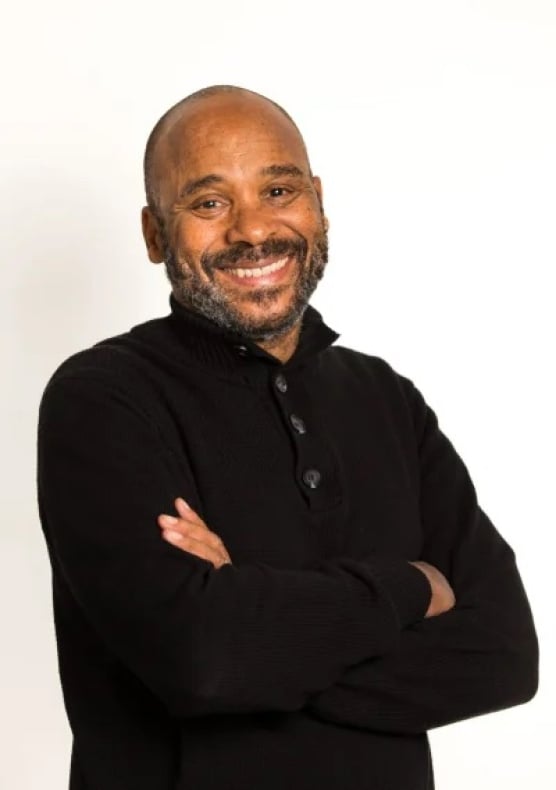
David McKie, Managing Editor, manages news, essays and opinion writing at Canada's National Observer from Ottawa. He is also the guiding force behind much of our data journalism and some of our key investigations. He is a highly valued member of our executive team.
As an award-winning author and journalist, he spent 26 years honing his skills at the CBC where his award-winning work (the CAJ, IRE and Michener) influenced policies in areas such as the adverse reactions of prescription drugs and medical devices, as well as the RCMP’s use of Tasers.
He is the 2020 co-recipient of Canadian Association of Journalism Charles Bury award for outstanding contributions to Canadian journalism (his second Bury award).
David teaches at the schools of journalism at Toronto Metropolitan University, Carleton University and the University of King’s College. He is a trainer with the Canadian Association of Journalists, and a judge for the National Institute for Computer Assisted Reporting's prestigious Philip Meyer Award. He has co-authored three journalism textbooks and two user guides on access to information laws and privacy and data journalism.

Indra is a leader focused on advancing digital inclusion, youth empowerment, and the responsible use of AI. She is a speeaker on digital literacy and social innovation, serves on the boards of Québec Tech and was an advisor to Mila’s Startup Committee.
Previously, she led a global initiative at the Raspberry Pi Foundation to help bridge the digital divide. Her experience as a young woman entrepreneur facing barriers in the tech sector drives her commitment to expanding access to digital skills for underrepresented communities. Indra is a Canadian Chartered Accountant with academic and professional training in business, accounting, and public policy, as well as certifications in social entrepreneurship and impact measurement.
Indra is also a speaker on AI and digital literacy, youth empowerment, and building sustainable, socially driven business models that amplify impact. She has spoken at the United Nations on youth, AI and decent work and AI literacy as a human right.

As a Media Education Specialist, Marc Alexandre is responsible for creating resources for educators, parents and community groups and for conducting outreach activities with French language schools, school boards, education ministries, faculties of education and community organizations across Canada. He holds a Master’s Degree in Theology, as well as Bachelors’ in Education and Theology.
Marc Alexandre has previously worked as a teacher in the Ontario and Alberta school systems, as a facilitator in Ontario schools and as an editor and translator. He believes in the well-being of all persons experiencing the rapid growth of technology through comprehensive digital literacy and intersubjective education.
.jpg)
Darion Ducharme is the Founder and CEO of Teqare, an Indigenous-owned education and technology training organization based in Winnipeg, Manitoba. Through Teqare, he delivers programs in digital literacy, cyber security, financial literacy, and artificial intelligence for First Nations communities across Canada.
Darion’s work focuses on making technology education more accessible, practical, and community-centred. He is also a frequent keynote speaker and advocate for digital inclusion, helping learners build the skills and confidence needed to navigate today’s digital world.

Rana is a Community Coordinator with United for Literacy in Nova Scotia where she designs and coordinates literacy programs, working alongside families, educators, volunteers, and community partners.
Her experience in education spans both formal and nonformal settings, from supporting a World Bank-funded national education reform program to working with grassroots and community-based education initiatives. She holds an MA in Education, where her research explored how people use social media spaces for popular education.
She’s especially interested in youth-led political and social education and how people learn with and from one another in social movements. Outside of work, Rana loves a good outdoor adventure and has recently started rock climbing.
The Forum will also feature short video perspectives from young learners, sharing their experiences and reflections on digital media, social media, AI and critical thinking. Their voices will help bring a youth perspective to the conversation and complement the discussion among our panelists.
1:00 p.m. ET — Welcome and Introductions
Mélanie Valcin, President and CEO, United for Literacy
1:05 p.m. ET — Introduction to the Forum
David McKie, Moderator
1:10–2:00 p.m. ET — Panel Discussion
Panelists explore key questions about literacy, digital media, critical thinking and AI.
2:00–2:25 p.m. ET — Audience Q&A
The moderator addresses questions submitted by attendees throughout the Forum.
2:25–3:00 p.m. ET — Continued Conversation
The conversation continues in smaller breakout rooms. Each panelist will host a separate room where attendees can ask questions and continue the discussion directly with the panelists.
Below are some questions to ponder in preparation for the forum. Other questions may arise during the discussion.
Fact versus fiction: How critical thinking can help make sense of all the information available online (e.g., avoiding scams; understanding that an opinion isn’t always true and that many people are paid to have opinions online; and how AI-generated content can make misinformation appear credible at first glance).
Barriers to access and understanding: The impact that low literacy levels and overlapping social, economic, and cultural barriers can have on the ways people navigate digital media.
Tools and resources: During the forum, we will discuss tools, resources, and lived experiences about ways to navigate today’s digital landscape. These resources will help educators, practitioners, and parents build their own critical thinking skills as well as those of the young people in their lives.
We invite you to join us to discuss this important issue.
For further information, contact:
Kathleen A. Provost, CFRE, MAdEd
Vice President, Philanthropy & Communications
[email protected]
Can't attend the forum ?
Sign up to receive the post-Forum report and key takeaways. Already registered for the Forum? No need to sign up again—you’ll automatically receive the report after the event.
With the support of the Trottier Foundation.
.png)

_ok.png)
2025 - Literacy and future-ready skills: The Journey From Foundational Literacy to New Opportunities for Adult Learners in the Canadian Workforce
This forum explored how literacy and numeracy influence well-being, equity, and opportunities for adult learners. Discussions focused on three key areas: the barriers adults face in developing foundational skills, the role of employers, governments, and communities in removing these barriers, and how learners can develop the skills they need to adapt and thrive in an ever-changing world of work.
👉 Read the discussion paper here.
👉 Watch the 2025 Forum recording here.
2024 - Literacy and immigration : The Power of Literacy in Navigating the Immigration Experience
This forum explored the intersection of literacy and immigration, focusing on three key areas: cultural considerations, the impact of immigration on adult literacy, and how immigration influences children’s literacy.
👉 Read the discussion paper here.
👉 Watch the 2024 Forum recording here.
2023 - The artificial intelligence revolution and literacy: Opportunity or Threat?
Le forum a exploré l’intersection entre l’IA et la littératie, abordant des questions clés sur son utilisation éthique, les compétences fondamentales requises, ainsi que son impact potentiel sur les inégalités éducatives. Il a également examiné le rôle de l’IA dans la promotion de l’équité, de la diversité et de l’inclusion dans une société polarisée. Fort de plus d’un siècle d’expérience en littératie, le forum visait à évaluer les défis et les opportunités que l’IA présente pour l’éducation et la société.
👉 Read the discussion paper here.
👉 Watch the 2023 Forum recording here.
2022 - Literacy and Mental Health
This forum explored the connection between literacy and mental health, highlighting the impact of the COVID-19 pandemic on both. Studies have shown that improving literacy can strengthen mental health, helping individuals build resilience and better understand health-related information.
👉 Read the discussion paper here.
👉 Watch the 2022 Forum recording here.